- Chloe Pritchard

- Jan 22, 2021
- 4 min read
Updated: Feb 12, 2021
{Director}:

Directors are the creative leads of the film, meaning they are the ones in charge of the film. They use their creativity, imagination to bring their stories to life. They hold the creative vision throughout the whole process, from pre-production through to the final edit.
Directors start with a script, and work with a Screenwriter and sometimes a script editing team.
You'll be surprised how many Directors are Screenwriters themselves.
{Requirements to becoming a Director}:
OCR Cambridge Technical Diploma/Extended Diploma in Performing Arts
BTEC National Diploma/Extended Diploma in Performing Arts
BTEC National Extended Diploma in Creative Digital Media Production
Aim Awards Diploma in Creative and Digital Media
OCR Technical Diploma in Digital Media (Moving Image and Audio Production)
BTEC National Diploma in Film and Television Production
BTEC National Diploma in Film and Television Visual Effects
RSL Diploma/Extended Diploma in Creative and Performing Arts
UAL Diploma/Extended Diploma in Creative Media Production and Technology
UAL Diploma/Extended Diploma in Performing and Production Art


{Screenwriter}:
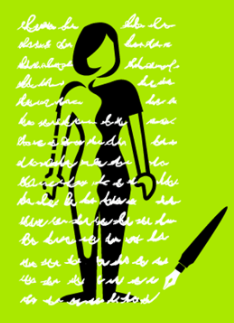
Screenwriters are people who show creativity in their work by writing and developing screenplays for film or TV drama. They do it either based on an original idea, by adapting an existing story into a screenplay or by joining an existing project (TV). Screenwriters always have to prepare their script in a way that enables readers to understand the setting, emotion and the way it will work on screen.
They work with development producers and their assistants. They are sometimes assisted by researchers, who provide information to allow for screenplays to be fact-checked. In TV drama, screenwriters might work with story producers and storyliners as well as script editors. They collaborate with producers, directors and actors to draft and redraft their script, often working to tight deadlines.
{Requirements}:
BTEC National Extended Diploma in Creative Digital Media Production
Aim Awards Diploma in Creative and Digital media
OCR Technical Diploma in Digital Media (Moving Image and Audio Production)
BTEC National Diploma in Film and Television Production
UAL Diploma/Extended Diploma in Creative Media Production and Technology


{Producer}:

They are the overall decision makers. Producers will come up with imaginative story ideas and hire creative and interesting writers or choose and secure rights to scripts. They decide on the scale and budget of the film and source financing from investors, studios and distributors.
They work with creative ideas from the director and approve production costs.
{Requirements}:
BTEC National Extended Diploma in Creative Digital Media Production
Aim Awards Diploma in Creative and Digital Media
OCR Technical Diploma in Digital Media (Moving Image and Audio Production)
BTEC National Diploma in Creative Media Production and Technology
UAL Diploma/Extended Diploma in Creative Media Production and Technology


{Development Producer}:

Development producers are employers who find stories and scripts and get them into good enough shape to be published/commissioned by a TV channel or made into a feature film.
They read screenplays, analyse their strengths and weaknesses and assess if they have potential and will appeal to audiences. They make notes on how it can be improved (script notes) and ask the scriptwriter to re-write accordingly. So in other words, they give feedback on what needs to be improved before sending it to TV channels or film industries.
The story producers work on dramas that run across several episodes and are written by more than one screenwriter. They are responsible for providing the framework for the story as a whole. They help writers develop a story, create narrative arcs and then communicate the structure to the script department
{Requirements}:
BTEC National Extended Diploma in Creative Digital Media Production.
Aim Awards Diploma in Creative and Digital Media
OCR Technical Diploma/Extended Diploma in Business
OCR Technical Diploma in Digital Media (Moving Image and Audio Production)
BTEC National Diploma in Film and Television Production
BTEC National Extended Diploma in Creative Digital Media Production
UAL Diploma/Extended Diploma in Creative Media Production and Technology

{Distribution Executive}:

In the film industry, Distribution Executives go to film markets (events/independents or inside of the film festivals focus on the activity of buying and selling films, the reason for attending), where they look at films and acquire them from production companies or sales agents. They deliver the film materials to them and they plan the release, including how to market the film, targeting the film's core audience to bring in the most profit.


{A level courses for becoming a Distribution Executive}:
If you want to go straight into a job or apprenticeship, the following Level 3 vocational qualifications will equip you:
AQA Foundation Technical Level Business: Marketing Communications
AQA Technical Level Business: Marketing
NCFE Diploma in Skills for Business: Sales and Marketing
{Vocational Courses for becoming a Distribution Executive}:
If you want to go to university, A-levels or Highers in business studies, economics, English, film studies, politics or sociology are useful. Or you might want to take the following Level 3 vocational qualifications:
OCR Technical Diploma/Extended Diploma in Business
BTEC National Diploma/Extended Diploma in Business
BTEC National Diploma/Extended Diploma in Enterprise and Entrepreneurship
{Publicist}:

Publicists create the 'buzz' that surrounds the release of a film.
In other words, they advertise the release of the film and encourages audiences to check it out for themselves. They get the critics talking and they are also responsible for getting media coverage of the film through having good relationships with journalists, film writers and critics.
Furthermore, they create press packs which usually include the film's synopsis, production notes, cast and crew credits and biographies, stills and the electronic press kit (EPK).


{Requirements}:
Marketing (Level 3, Northern Ireland)
Social Media and Digital Marketing (Level 3, Northern Ireland)
Social Media and Digital Marketing (Level 3, 4, Wales)
Marketing (Level 2, 3, Wales)
Advertising and Marketing Communications (Level 4, Wales)
{Other requirements}:
OCR Technical Diploma/Extended Diploma in Business
BTEC National Diploma/Extended Diploma in Business
BTEC National Diploma/Extended Diploma in Enterprise and Entrepreneurship
If you want to go straight into a job or apprenticeship, the following Level 3 vocational qualifications will equip you:
AQA Foundation Technical Level Business: Marketing Communications
AQA Technical Level Business: Marketing
NCFE Diploma in Skills for Business: Sales and Marketing
NCTJ Diploma in Journalism